
Specialist area
Prostate Cancer: Diagnosis, Treatment & Expert Care

Overview
What is prostate cancer?
Prostate cancer develops in the prostate gland, a small organ located below the bladder. It often grows slowly, but in some cases can be more aggressive and require prompt treatment.
Many men with early prostate cancer have no symptoms, which is why regular testing is important.
Symptoms of prostate cancer?
In its early stages, prostate cancer may not cause noticeable symptoms. As it progresses, you may experience:
- Difficulty starting or stopping urination
- Weak urine flow
- Frequent urination, especially at night
- Blood in urine or semen
- Erectile dysfunction
- Discomfort in the pelvic area
If you’re experiencing any of these symptoms, it’s important to seek advice.
How is prostate cancer diagnosed?
We use a combination of advanced diagnostic tools to accurately assess your condition:
- PSA (Prostate-Specific Antigen) blood test
- MRI scans for detailed imaging
- Prostate biopsy for confirmation
Our approach ensures a clear diagnosis while minimising unnecessary procedures.
Book your consultation today
We treat all of our enquiries with compassionate and confidential care.
Treatment
Treatment for prostate cancer
Treatment depends on the stage of cancer, your overall health, and your personal preferences. Prokar offers:
Active Surveillance
Careful monitoring for slow-growing cancers that may not need immediate treatment.
Radiotherapy
Targeted treatment to destroy cancer cells.
Hormone Therapy
Used to slow or stop cancer growth.
Surgery
Removal of the prostate gland, often using advanced robotic techniques.
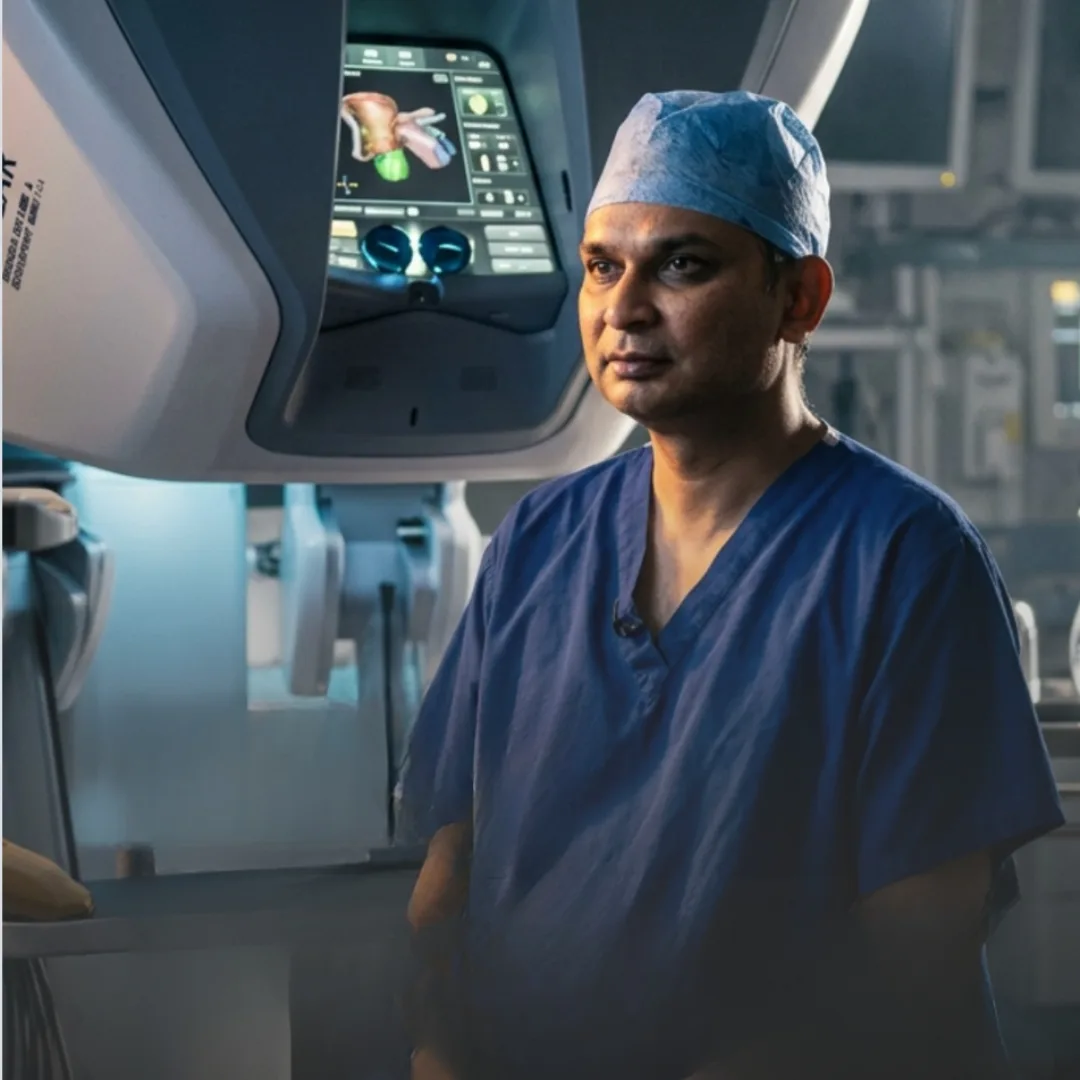
Robotic prostate surgery
What to expect from prostate cancer treatment?
From your first consultation through to recovery, we focus on:
- Clear communication and support
- Personalised treatment plans
- Minimising side effects
- Helping you return to normal life as quickly as possible
We understand that a cancer diagnosis can feel overwhelming, and we are here to guide you every step of the way.
Recovery and aftercare
Recovery varies depending on your treatment, but we provide comprehensive aftercare, including:
- Follow-up appointments
- PSA monitoring
- Support for urinary and sexual health
- Lifestyle and wellbeing guidance

Surgery
Robotic Prostate Surgery
Benefits of robotic prostate surgery
Compared to traditional open surgery, robotic techniques offer:
- Smaller incisions and minimal scarring
- Less blood loss during surgery
- Reduced post-operative pain
- Shorter hospital stays (typically 1–2 days)
- Faster return to normal activities
- Improved precision in cancer removal
Who is suitable for robotic prostate surgery?
Robotic prostatectomy is typically recommended for men with prostate cancer that is confined to the prostate.
You may be suitable if:
- Your cancer is localised or locally advanced
- You are fit for surgery
- You are seeking a treatment with curative intent
A full assessment, including imaging, PSA levels, and biopsy results, helps determine the best approach for each individual.
Read our blog on Am I a Candidate for Robotic Prostate Surgery?Success rates and outcomes
When performed by an expert surgeon, robotic prostate cancer surgery delivers excellent outcomes:
- High rates of cancer control
- Strong likelihood of regaining urinary continence
- Improved chances of preserving erectile function (when nerve-sparing is possible)
Outcomes vary depending on individual factors, but expert-led robotic surgery is designed to balance cancer treatment with quality of life.
Read our blog on Success Rates of Robotic Prostate Cancer Surgery: What the Data Shows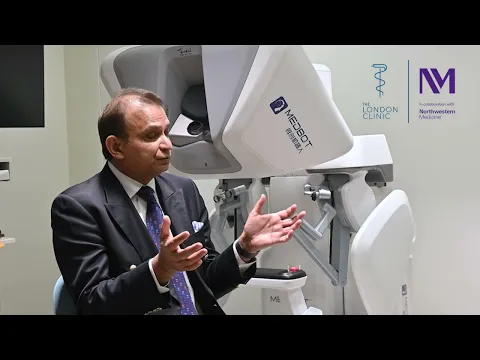
Leading the way in robotic telesurgery
Watch this video to learn how Professor Prokar Dasgupta remotely performed a prostatectomy using the Toumai robotic system, collaborating in real time with surgeons in Gibraltar via advanced telesurgery technology.
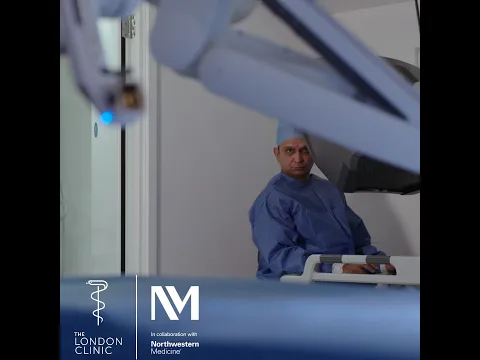
Celebrating 20 years of robotic surgery
Watch this video to learn more as two pioneering London Clinic consultants reflect on 20 years since their first robotic-assisted prostatectomy, and how robotic surgery has transformed care ever since.
Patient journey
What to expect, your patient journey
Patients are supported at every stage with clear guidance and follow-up care.
Before Surgery
- Consultation and diagnostic review
- Personalised treatment plan
- Pre-operative preparation
During Surgery
- Performed under general anaesthetic
- Minimally invasive robotic procedure
- Typically lasts 2–4 hours
After Surgery
- Short hospital stay (1–2 days)
- Temporary catheter (one to two weeks)
- Gradual return to normal activity within weeks
- Full recovery over several weeks
Risks and considerations
All surgical procedures carry some risks. These may include:
- Urinary incontinence
- Erectile dysfunction
- Infection or bleeding
- Rare surgical complications
Choosing an experienced robotic surgeon significantly reduces these risks and improves overall outcomes.
Read our blog on Will I Regain Erectile Function After Prostate Cancer Surgery?Why choose Prokar Dasgupta?
- Internationally recognised expertise in robotic urology
- Advanced nerve-sparing surgical techniques
- Personalised, patient-first care
- Focus on both cancer cure and quality of life
- Access to the latest robotic technology
Book a consultation
Book your consultation today
We treat all of our enquiries with compassionate and confidential care.