
Robotic prostate cancer surgery
Expert Robotic Surgery for Prostate Cancer in London
A specialist robotic prostate surgeon in London
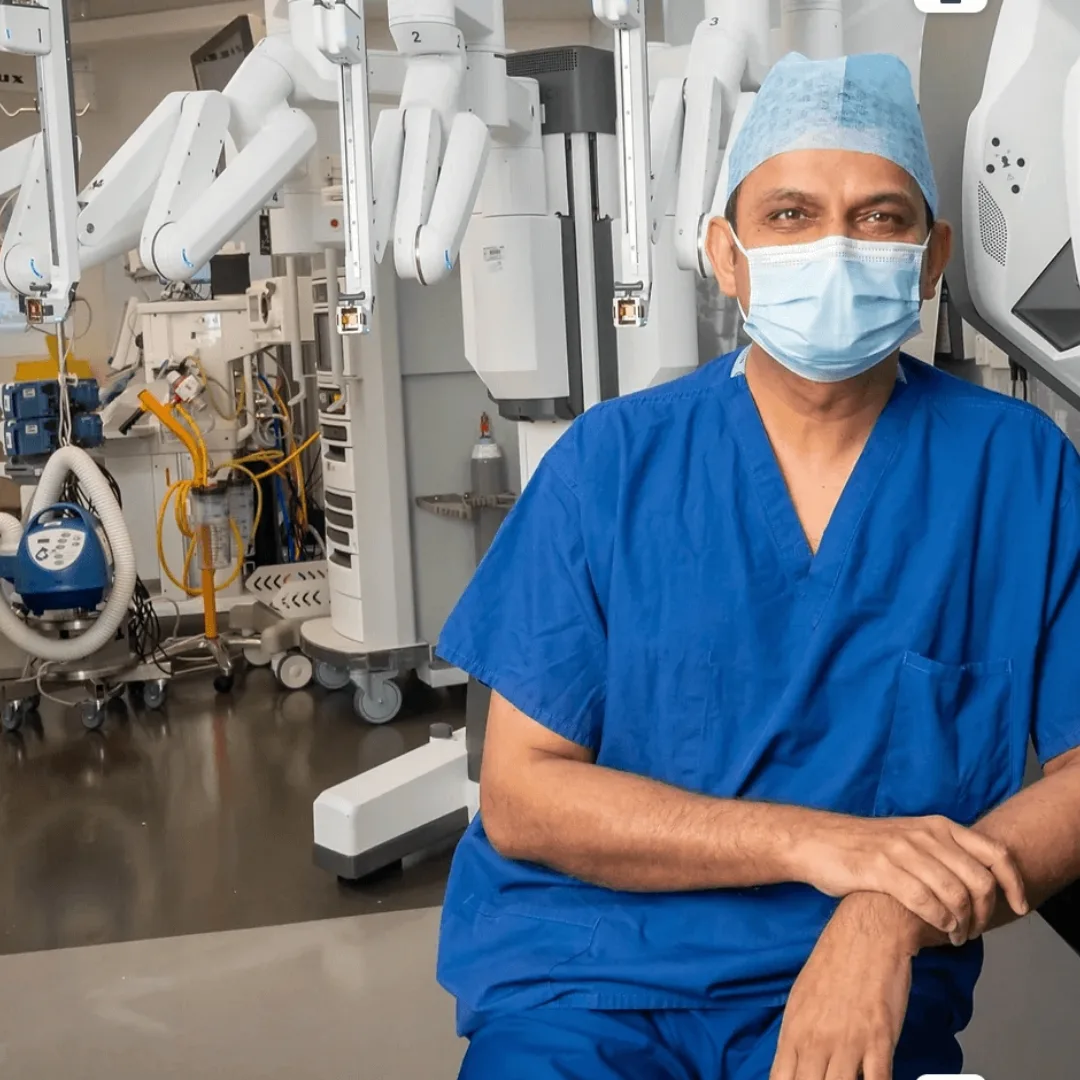
Robotic surgery is one of the most precise ways to treat prostate cancer that has not spread. Working through small keyhole incisions, the surgeon removes the prostate while taking care to protect the nerves and muscles that control the bladder and sexual function. Professor Prokar Dasgupta was the first consultant in the UK to establish robotic prostate surgery, and he plans each operation around the individual patient, with two aims: removing the cancer and protecting quality of life.
- 2–4 hoursTypical length of the operation
- 1–2 daysShort hospital stay
- 1–2 weeksTemporary catheter
- Several weeksFull recovery
The procedure
What is robotic surgery for prostate cancer?
Robotic prostate cancer surgery, known medically as robot-assisted radical prostatectomy, is a keyhole operation to remove the prostate gland when it contains cancer.
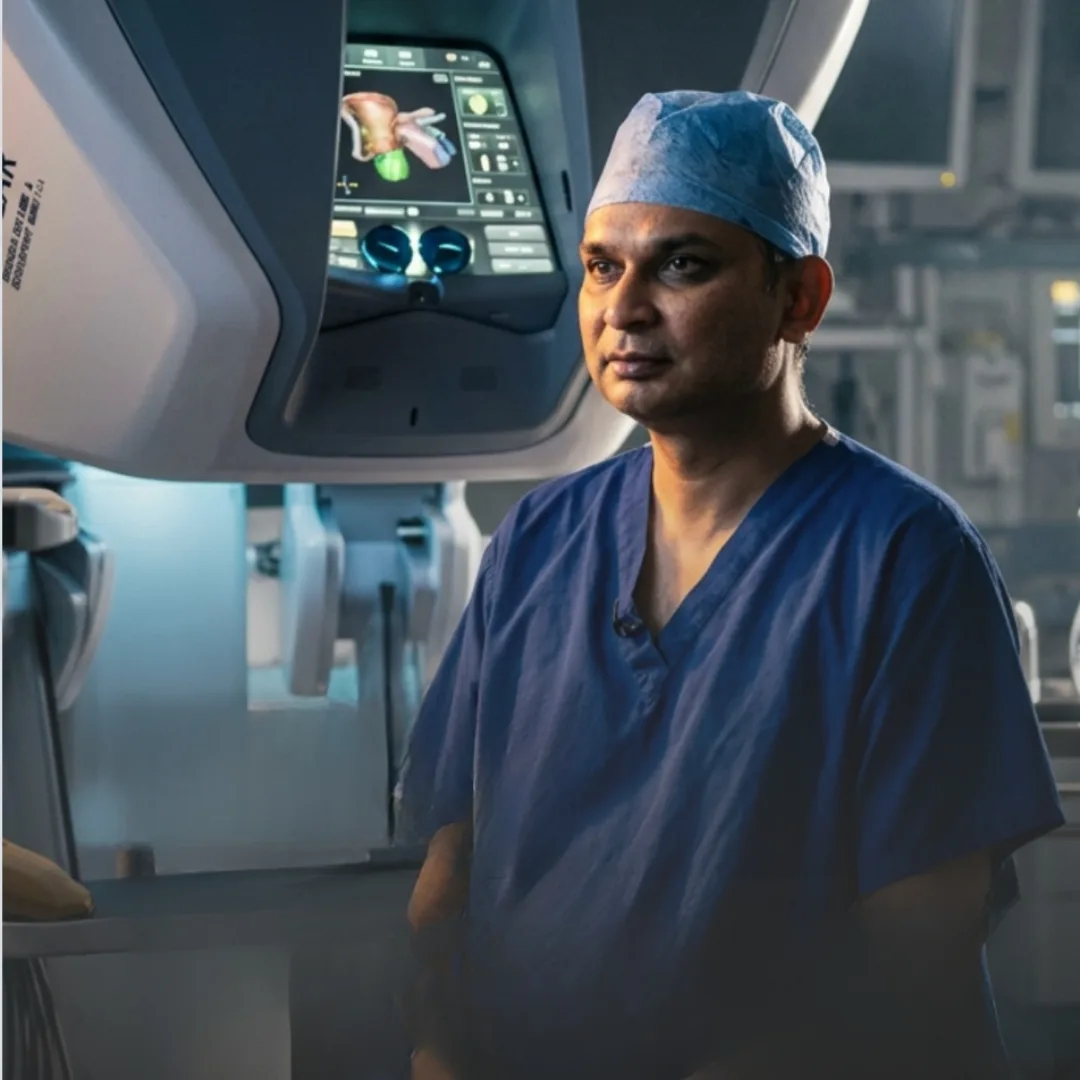
The surgeon sits at a console beside the patient and guides the robotic instruments, with:
- A magnified, high-definition 3D view
- Fine, steady control of every instrument
- Greater accuracy in small, delicate spaces
This makes it easier to work closely around the nerves and tissues next to the prostate than in a traditional open operation.
Experience
Why does the surgeon’s experience matter?
The robot does not operate on its own. Every movement is made by the surgeon, so results depend on their skill and experience. Patients treated by a highly experienced robotic surgeon can expect:
- Better results in removing the cancer
- A better chance of staying continent
- A better chance of keeping erections
- Fewer complications
- A quicker recovery
The technology helps, but it is the surgeon’s experience that makes the difference.
Book your consultation today
We treat all of our enquiries with compassionate and confidential care.
Your surgeon
Meet your surgeon
Robotic prostate surgery at The London Clinic is carried out by Professor Prokar Dasgupta, an internationally recognised expert in the field.
Patients benefit from his:
- Thousands of operations performed
- Leading role in developing robotic urology
- Research that has helped shape surgical techniques worldwide
- Focus on quality of life as well as cancer outcomes
That experience is there at every stage, from planning the operation to follow-up.

Technique
Advanced nerve-sparing techniques
The nerves that control erections and help with bladder control lie very close to the prostate. Protecting them is one of the main aims of the operation.
Where it is safe to do so, nerve-sparing surgery aims to:
- Leave these delicate nerves in place
- Lower the risk of long-term side effects
- Help normal function return sooner
Newer methods, such as saline-assisted techniques, give the surgeon a clearer view, which can improve results for suitable patients.
Read our blog on How Nerve-Sparing Techniques Improve Outcomes in Prostate SurgeryRobotic or open
How does robotic surgery compare with open surgery?
Compared with an open operation through one larger cut, patients usually have:
Radical robotic prostatectomy: a patient guide- A few small scars instead of one large one
- Less bleeding during the operation
- Less pain afterwards
- A shorter time in hospital, usually 1 to 2 days
- A quicker return to everyday life
- More precise removal of the cancer
Is robotic prostate surgery right for me?
Surgery is usually offered to men whose cancer has not spread beyond the prostate. It may be the right choice if:
- The cancer is localised, or locally advanced
- You are well enough for an operation
- You want a treatment that aims to cure the cancer
Your scans, PSA results and biopsy findings are reviewed together at your consultation, so the advice you receive fits your situation.
Read our blog on Am I a Candidate for Robotic Prostate Surgery?What results can I expect?
In experienced hands, the results of robotic prostate surgery are very good, with:
- A high rate of cancer control
- A good chance of regaining bladder control
- A better chance of keeping erections, where the nerves can be spared
Every patient is different, and your own likely results are discussed with you openly. The aim is always to treat the cancer while protecting your quality of life.
Read our blog on Success Rates of Robotic Prostate Cancer Surgery: What the Data ShowsBook your consultation today
We treat all of our enquiries with compassionate and confidential care.
Step by step
Your treatment, step by step
You will know what to expect at each stage, with clear guidance and follow-up from the team.
Before your operation
- A consultation to review your tests and diagnosis
- A treatment plan made for you
- Preparation and advice before surgery
On the day
- A general anaesthetic, so you are asleep throughout
- Keyhole surgery using the robot
- Usually 2 to 4 hours in theatre
Afterwards
- Usually 1 to 2 days in hospital
- A catheter for one to two weeks
- Most everyday activities back within a few weeks
- Full recovery over several weeks
What are the risks of robotic prostate surgery?
Every operation carries some risk. After prostate surgery, the main ones are:
- Urine leakage (incontinence)
- Difficulty with erections
- Infection or bleeding
- Rarer complications of surgery
Having an experienced robotic surgeon makes these risks considerably less likely.
Read our blog on Will I Regain Erectile Function After Prostate Cancer Surgery?Why patients choose Professor Dasgupta
- An international reputation in robotic urology
- Specialist nerve-sparing techniques
- Care planned around each patient
- Equal focus on curing the cancer and protecting quality of life
- The latest robotic technology at The London Clinic
Read more about his roles and background.
Questions
Robotic prostate surgery: frequently asked questions
Short answers to the questions patients ask most often. Your own plan is discussed in detail at your consultation.
What is robotic surgery for prostate cancer?
It is a keyhole operation, known medically as robot-assisted radical prostatectomy, to remove the prostate gland when it contains cancer. The surgeon guides the robotic instruments from a console, with a magnified 3D view and fine, steady control.
How long does robotic prostate surgery take?
The operation is done under a general anaesthetic and usually takes 2 to 4 hours.
How long will I stay in hospital?
Most patients stay in hospital for 1 to 2 days and go home with a catheter for one to two weeks. Most everyday activities are back within a few weeks, with full recovery over several weeks.
Who is suitable for robotic prostate surgery?
Surgery is usually offered to men whose cancer has not spread beyond the prostate, who are well enough for an operation and want a treatment that aims to cure the cancer. Scans, PSA results and biopsy findings are reviewed together before any recommendation is made.
Will I regain continence and erectile function?
In experienced hands there is a good chance of regaining bladder control, and a better chance of keeping erections where the nerves can be spared. Results vary from person to person and are discussed openly at your consultation.
Why does the surgeon’s experience matter?
The robot does not operate on its own: every movement is made by the surgeon. A highly experienced robotic surgeon is linked to better cancer removal, continence and erections, fewer complications and a quicker recovery.
Where does Professor Dasgupta see patients?
Professor Dasgupta sees private patients at The London Clinic, 145 Harley Street, London W1G 6BJ. Call +44 20 3996 1833 or send an enquiry through the contact page to book a consultation.
From the blog
Further reading
Articles from Professor Dasgupta's blog that look at these topics in more detail.
Single Port Robotic Surgery for Prostate Cancer Explained
Read the articleRobotic vs Open Prostatectomy: Key Differences in Recovery and Outcomes
Read the articleWhat to Expect During Recovery After Prostate Cancer Surgery
Read the articlePrivate Prostate Cancer Surgery UK: What the Pathway Involves
Read the articleAdvances in robotic prostate cancer surgery: What’s new in 2026
Read the articleA historic first in robotic surgery: Professor Prokar Dasgupta leads the way.
Read the article
Book a consultation
Book your consultation today
We treat all of our enquiries with compassionate and confidential care.