

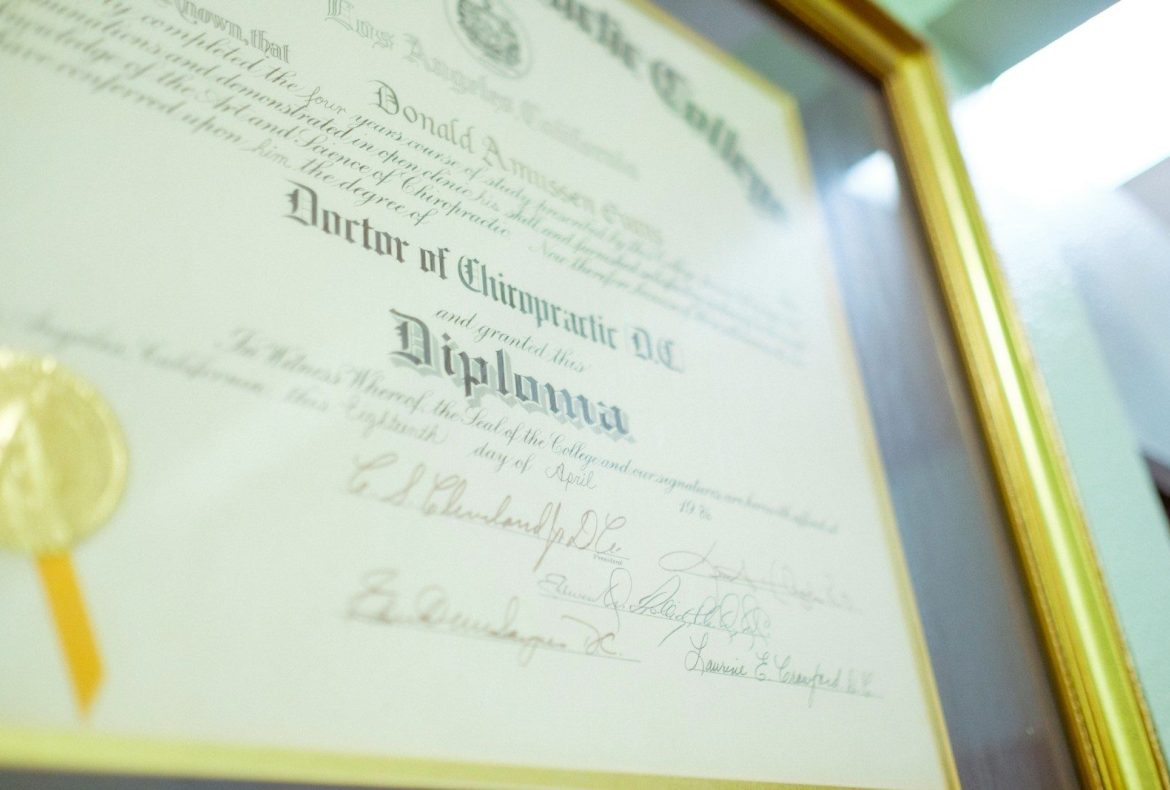
Interpreting prostate cancer surgeon qualifications correctly can help patients judge expertise beyond marketing claims, focusing instead on verifiable training and specialist registration.
With so many specialists to choose from, understanding prostate cancer surgeon qualifications properly gives patients a clearer, evidence-based way to compare consultants beyond reputation or referral alone.
Consultant Urologist Status
The foundation of prostate cancer surgeon qualifications is consultant urologist status, achieved after years of surgical training and inclusion on the specialist register held by the General Medical Council. This confirms the surgeon has met rigorous national training standards.
Fellowship and Sub-Specialist Training
Beyond core training, many strong prostate cancer surgeon qualifications include additional uro-oncology fellowships, often involving dedicated time focused specifically on prostate cancer diagnosis and robotic surgical technique, rather than general urology alone.
These fellowships often form part of a surgeon's prostate cancer surgeon qualifications gained at specialist cancer centres, sometimes including international training placements in advanced robotic techniques.
A fellowship year typically involves working under senior mentors on high volumes of complex cases, which meaningfully sharpens judgement long before a surgeon takes on an independent consultant caseload.
Membership of Professional Bodies
Relevant prostate cancer surgeon qualifications frequently include membership of bodies such as the British Association of Urological Surgeons, reflecting ongoing commitment to professional standards, peer review and continuing education within the field.
Experience-Based Credentials
Formal prostate cancer surgeon qualifications matter, but so does demonstrable experience: annual case volume, published outcome data, and active participation in MDT meetings all add practical weight to academic and professional credentials.
How to Verify Qualifications Yourself
Patients can verify prostate cancer surgeon qualifications directly through the GMC specialist register, hospital consultant profiles, and by asking straightforward questions during consultation about training background and specialist focus.
It is entirely appropriate to ask a surgeon to talk you through their prostate cancer surgeon qualifications during your first meeting, including where they trained and how their fellowship shaped their current practice.
Why Qualifications Alone Are Not the Whole Picture
Strong prostate cancer surgeon qualifications provide reassurance, but they work best alongside other evidence, including annual case volume, published outcomes and how clearly a surgeon communicates during consultation.
Bringing Qualifications and Experience Together
The most reassuring combination is a surgeon whose prostate cancer surgeon qualifications are well documented and verifiable, backed by consistent, transparent outcomes across a substantial number of cases over time. Find out more here.
A Final Word on Choosing With Confidence
Taking the time to understand prostate cancer surgeon qualifications properly is never wasted effort. It equips you to ask sharper questions, compare specialists fairly, and approach your treatment with far greater confidence.
To discuss a consultant's background and experience in more detail, get in touch to arrange a consultation and ask any questions you have directly.