

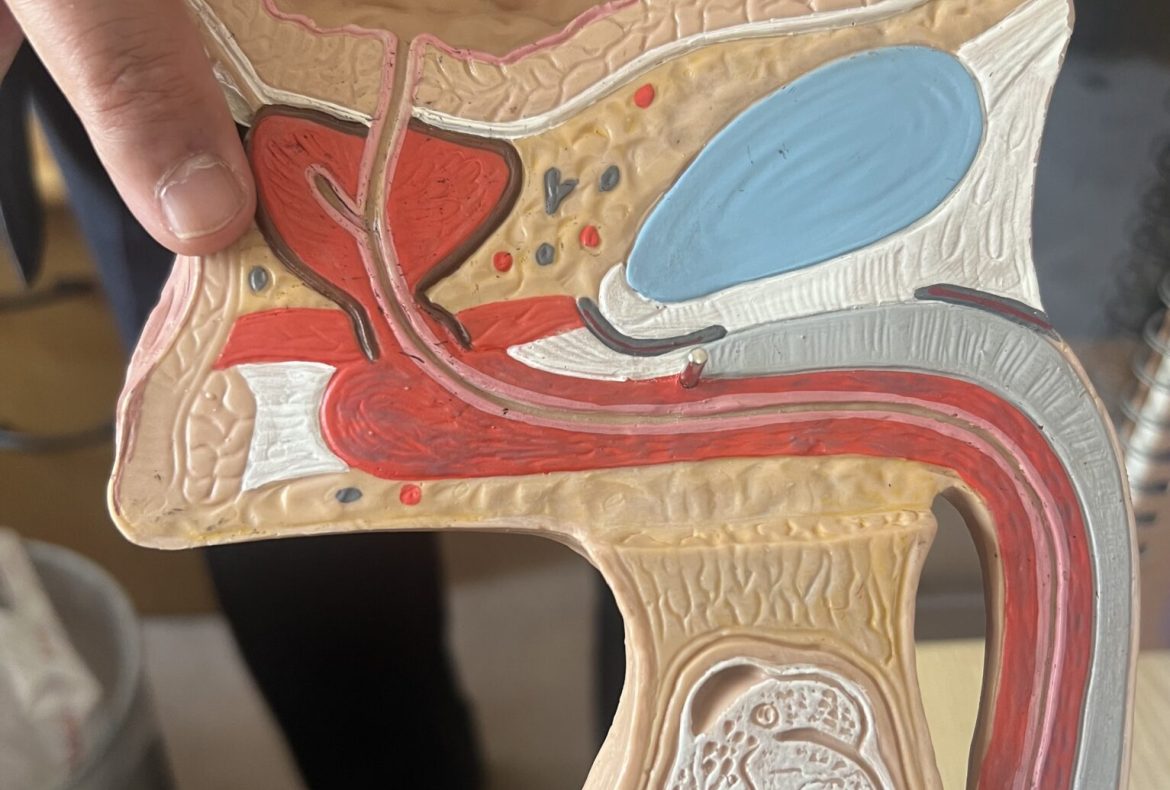
Understanding recovery after prostate cancer surgery helps patients prepare practically and emotionally for the weeks following a robotic radical prostatectomy or other surgical procedure.
Every patient heals at a different pace, but recovery after prostate cancer surgery generally follows a fairly predictable pattern, which can make the weeks ahead feel less uncertain.
The First Few Days After Surgery
Early recovery after prostate cancer surgery typically involves a short hospital stay, a urinary catheter for one to two weeks, and gradually increasing mobility. Most men are encouraged to walk soon after surgery to reduce the risk of blood clots and support healing.
Managing Continence in the Weeks Afterwards
A central focus of recovery after prostate cancer surgery is regaining urinary continence. Pelvic floor exercises, ideally started before surgery and continued afterwards, can meaningfully speed up this process for many patients over the following weeks and months.
Most men notice steady improvement in continence during recovery after prostate cancer surgery over the first three to six months, though the pace of improvement varies from person to person.
Return to Activity and Work
Recovery after prostate cancer surgery generally allows a gradual return to light activity within two to three weeks, with most men resuming normal work and exercise routines within four to six weeks, depending on individual healing and job demands.
Men with more physically demanding jobs may need a slightly longer period off work during recovery after prostate cancer surgery, and it is worth discussing your specific role with your surgeon so expectations are realistic from the outset.
Sexual Function and Nerve-Sparing Recovery
Where nerve-sparing technique was used, recovery after prostate cancer surgery in terms of erectile function can take considerably longer, sometimes up to twelve to eighteen months, and may involve additional support such as medication or specialist rehabilitation.
Long-Term Follow-Up and PSA Monitoring
Beyond the initial weeks, recovery after prostate cancer surgery includes ongoing PSA monitoring to check for biochemical recurrence, typically every few months initially, then at longer intervals as time passes without any concerning results.
Support Throughout Recovery
Emotional support matters just as much as physical healing during recovery after prostate cancer surgery, and specialist nurses can often help with practical guidance on continence products, exercises and what is safe to resume, and when.
Many men also find it helpful to connect with others who have been through recovery after prostate cancer surgery themselves, whether through a support group or informal conversation, to set realistic expectations along the way.
When to Contact Your Surgical Team
During recovery after prostate cancer surgery, it is important to contact your team promptly if you notice signs of infection, unusual pain, heavy bleeding, or a sudden change in urinary symptoms, rather than waiting for your next scheduled appointment.
Setting Realistic Expectations
Every man's recovery after prostate cancer surgery follows its own timeline, and comparing your progress too closely with someone else's experience can create unnecessary worry. A good specialist will help you track your own progress against realistic, individual milestones. Find out more here.
If you have questions about what to expect during recovery after prostate cancer surgery, get in touch to discuss your individual circumstances with a specialist.