
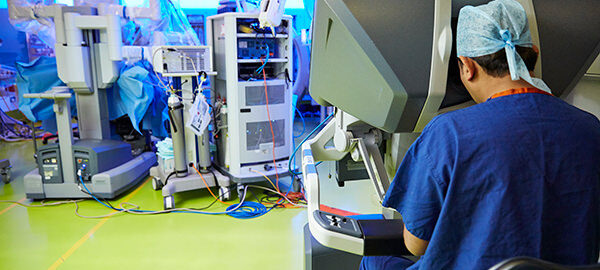
Robotic prostatectomy is a minimally invasive procedure for treating prostate cancer. With its precision and advanced nerve-sparing techniques, it aims to remove the prostate while preserving urinary and sexual function. Understanding what to expect after surgery is crucial for recovery and achieving the best results.
Professor Prokar Dasgupta provides expert care for men undergoing robotic prostatectomy, guiding them through recovery and rehabilitation.
Recovery Timeline
Recovery after robotic prostatectomy varies by patient, but typical milestones include:
- Hospital Stay: Most patients are discharged within 1–2 days.
- Catheter: A urinary catheter is usually removed after about 1 week.
- Light Activities: Most patients can resume light activities within 2–3 weeks.
- Return to Normal/Strenuous Activity: Generally 6–8 weeks after surgery.
Early mobilization and following your surgeon’s instructions are key to minimizing complications and speeding recovery.
Rehabilitation and Support
Rehabilitation after robotic prostatectomy focuses on restoring urinary and sexual function:
1. Pelvic Floor Exercises
- Strengthen muscles that support bladder control
- Begin as soon as recommended by your surgeon or physiotherapist
2. Erectile Function Rehabilitation
- Use of medications, devices, or therapy may be suggested if nerves were preserved
- Recovery can take several months to a year depending on individual factors
3. Follow-Up Care
- Regular PSA blood tests monitor cancer recurrence
- Postoperative appointments ensure healing is progressing as expected
- Guidance on lifestyle, diet, and physical activity supports overall recovery
Learn more about recovery after robotic prostatectomy.
Expected Results
Urinary Continence
- Many patients regain urinary control within weeks, though full recovery may take months.
- Pelvic floor exercises significantly improve outcomes.
Erectile Function
- Nerve-sparing procedures, such as the SAFE technique, enhance the likelihood of retaining erectile function.
- Recovery is gradual, and patients may benefit from early rehabilitation strategies.
Cancer Control
- Robotic prostatectomy allows precise removal of cancerous tissue.
- Surgeons examine surgical margins to ensure effective treatment.
Overall, robotic surgery aims to balance oncological safety with quality of life, maximizing functional recovery.
Tips for a Smooth Recovery
- Follow your surgeon’s instructions carefully.
- Stay hydrated and maintain a balanced diet.
- Avoid heavy lifting or strenuous activity until cleared by your care team.
- Attend all follow-up appointments for monitoring and guidance.
- Perform pelvic floor exercises as instructed.
Conclusion
Life after robotic prostatectomy involves a combination of rest, rehabilitation, and monitoring. With advanced surgical techniques, including nerve-sparing approaches, many patients experience excellent functional recovery alongside effective cancer control.
For more detailed guidance or to schedule a consultation with Professor Prokar Dasgupta, visit the Robotic Prostatectomy page on Prokar.co.uk.