

When considering prostate cancer surgery, one of the most common questions is whether to choose robotic or open surgery. Understanding the differences can help patients make a more informed decision.
Open prostate surgery is the traditional approach, involving a single larger incision to remove the prostate gland. While effective, it typically results in longer recovery times, increased pain, and greater blood loss.
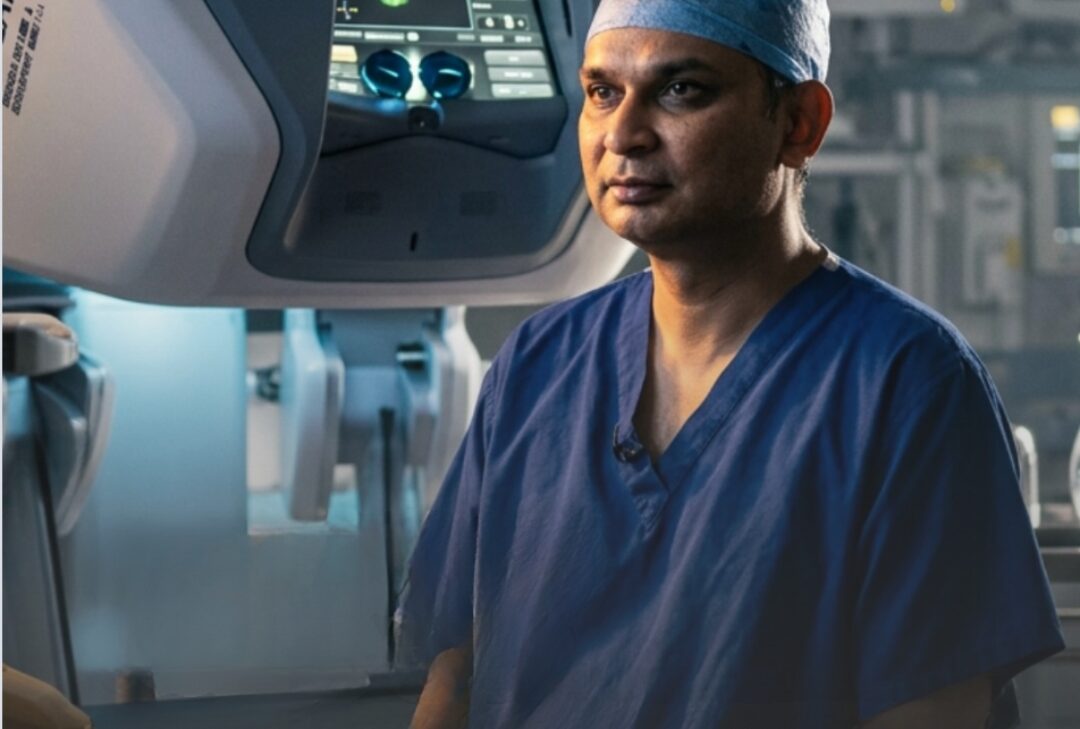
Robotic prostate surgery, by contrast, is minimally invasive. It uses small incisions and robotic instruments controlled by the surgeon. This approach allows for greater precision, particularly in delicate areas surrounding the prostate.
One of the most significant benefits of robotic surgery is enhanced visualisation. Surgeons operate using magnified 3D imaging, enabling them to see structures more clearly and perform more refined movements.
In terms of recovery, robotic surgery generally offers a faster return to normal activities. Patients often leave hospital within one to two days and experience less post-operative discomfort. Open surgery may require a longer hospital stay and recovery period.
Another important consideration is functional outcomes. Robotic surgery is often associated with improved preservation of urinary continence and erectile function, particularly when performed by an experienced surgeon using nerve-sparing techniques.
Both approaches aim to achieve effective cancer control, but robotic surgery provides additional advantages in terms of precision and recovery.
Ultimately, the choice depends on individual circumstances and surgeon expertise. However, for many patients, robotic surgery represents a more advanced and patient-friendly option.
Book your consultation with Professor Prokar Dasgupta today.