Radical Robotic Prostatectomy Surgeon


Ultimate Guide for Patients Seeking Expert Robotic Prostate Cancer Surgery

Radical Robotic Prostatectomy Surgeon – Expert Robotic Prostate Cancer Specialist


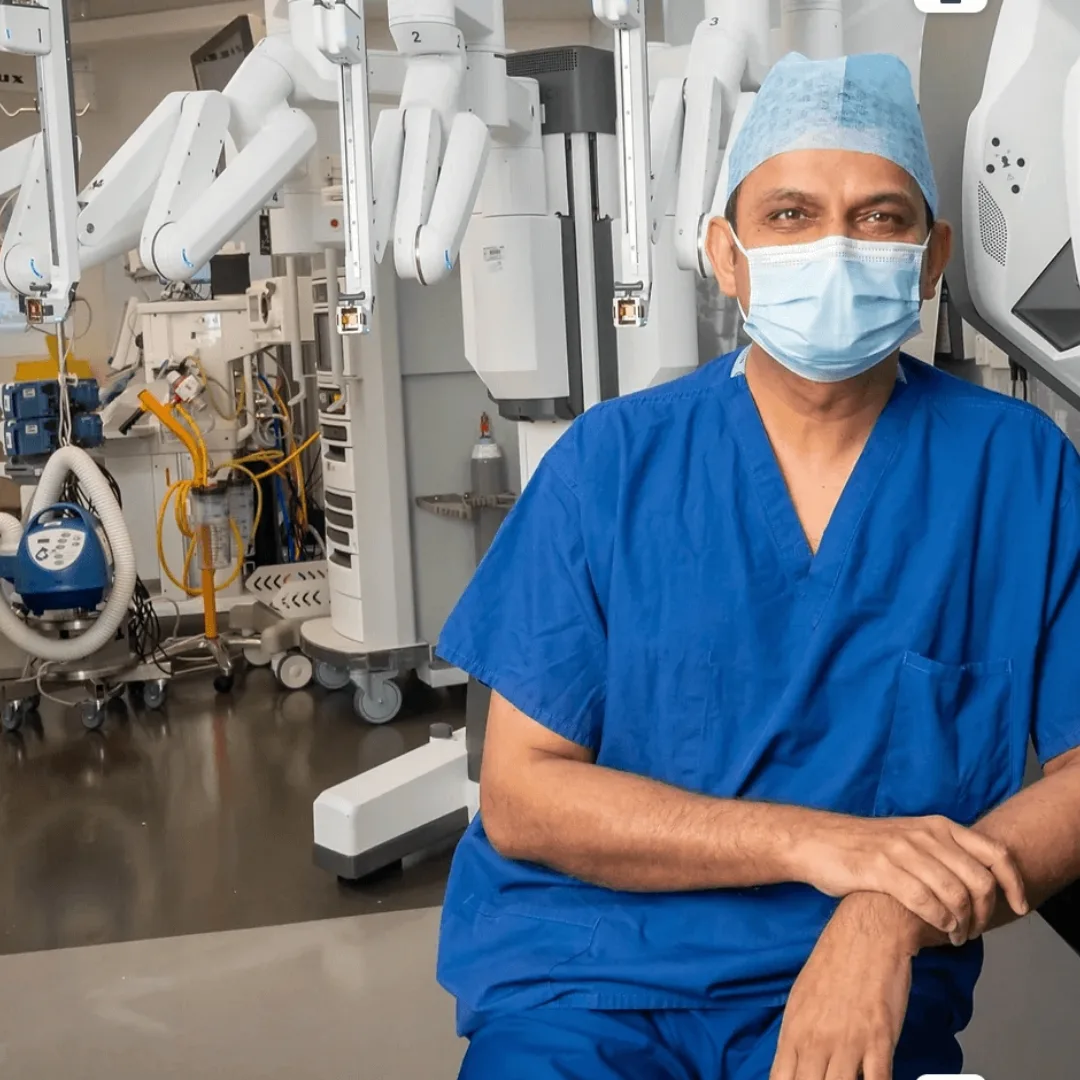
Professor Prokar Dasgupta is a leading robotic urological surgeon in the UK specialising in radical robotic prostatectomy (robot-assisted prostate cancer surgery).

{{brizy_dc_image_alt imageSrc=

What is a Radical Robotic Prostatectomy?


A radical robotic prostatectomy is a highly specialised operation to remove the prostate gland in men diagnosed with prostate cancer. It is performed using advanced robotic technology that allows your surgeon to operate with exceptional precision through small keyhole incisions.

The procedure is also known as robot-assisted radical prostatectomy (RARP). “Radical” means the entire prostate gland is removed, along with the seminal vesicles, to treat cancer that is confined to the prostate or locally advanced. The goal is complete cancer removal while preserving urinary control and erectile function wherever safely possible.

How robotic prostate surgery works

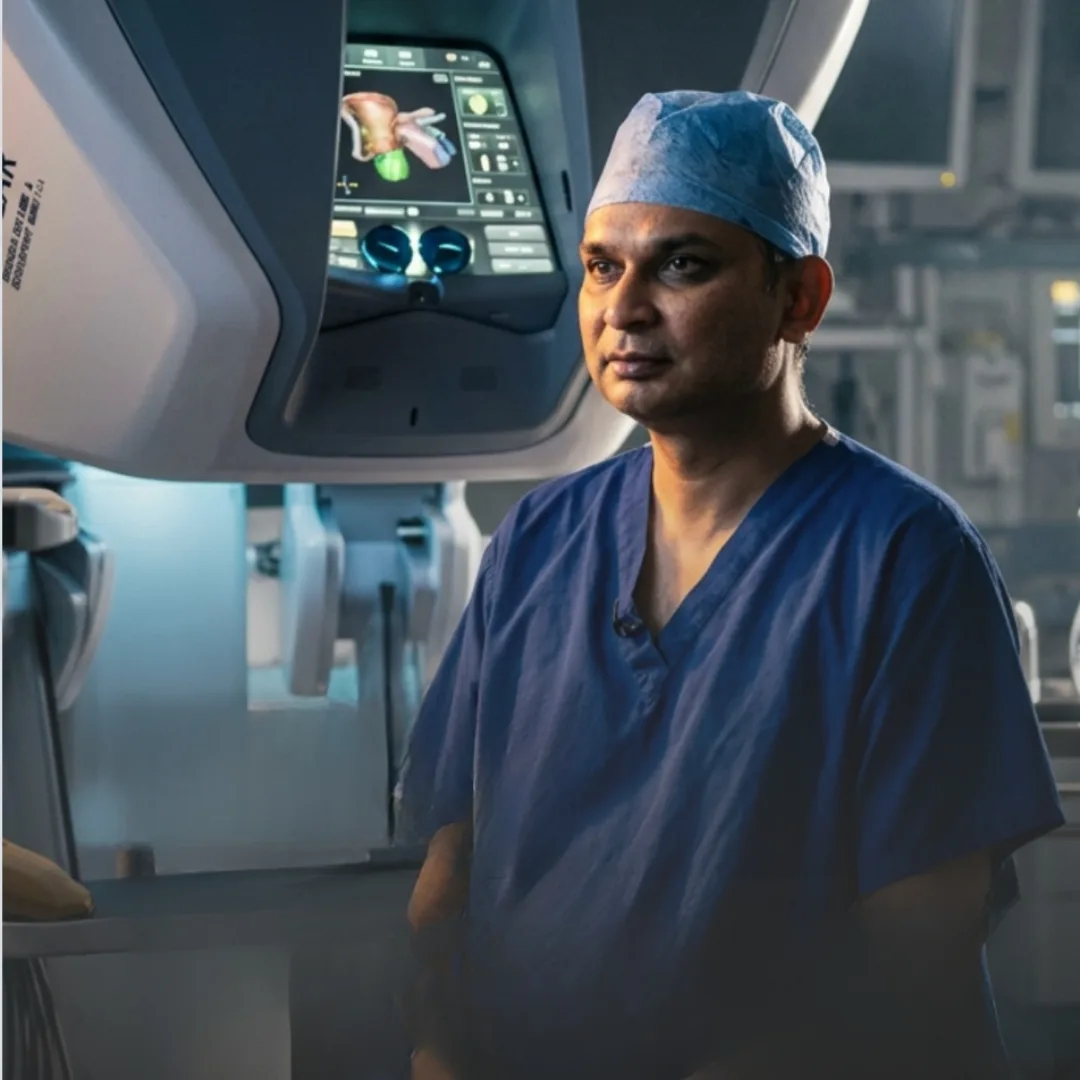
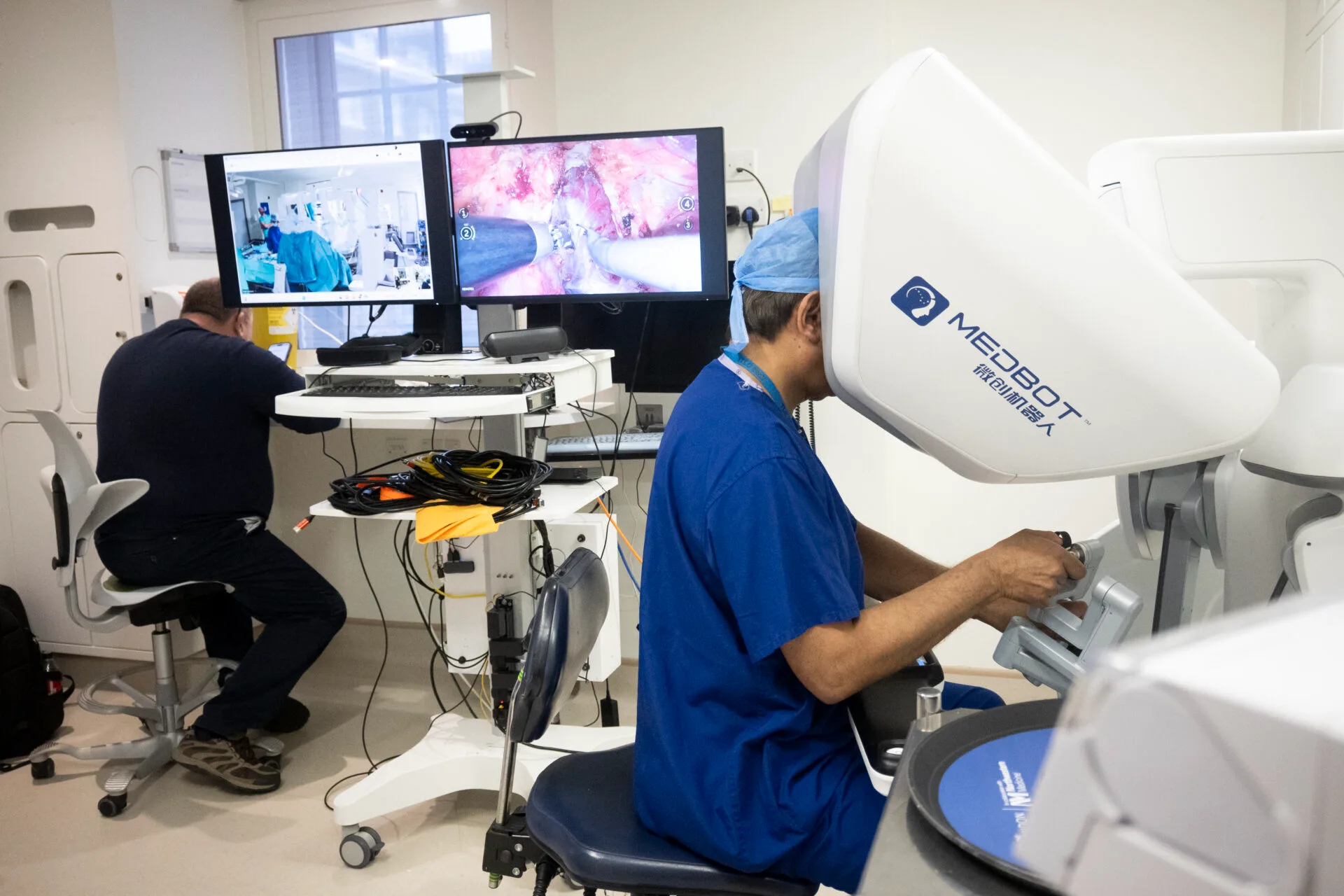
During robotic prostate surgery, your surgeon controls robotic instruments from a console in the operating theatre. The robotic system translates the surgeon’s hand movements into ultra-precise micro-movements inside the body.

Key advantages of robotic assistance include:

  • Magnified high-definition 3D vision
  • Greater dexterity than the human hand
  • Improved access to delicate structures such as the nerves controlling erections
  • Enhanced precision for nerve-sparing techniques


Although a robot is used, the procedure is entirely surgeon-led. The robot does not act independently — it enhances the skill and control of

an experienced radical robotic prostatectomy surgeon.

Why it is different from traditional open surgery

Traditional open prostate surgery requires a larger incision in the lower abdomen. In contrast, robotic prostatectomy uses several small keyhole incisions.

This minimally invasive approach typically results in:

  • Less blood loss
  • Reduced post-operative pain
  • Shorter hospital stay
  • Faster recovery time
  • Smaller scars

For many men, robotic surgery has become the preferred surgical approach for prostate cancer treatment.

Who is suitable for a radical robotic prostatectomy?

Radical robotic prostatectomy is most commonly recommended for:

  • Localised prostate cancer
  • Selected cases of locally advanced prostate cancer
  • Men who are fit for surgery and seeking definitive cancer treatment


Every patient is assessed individually, considering PSA levels, MRI findings, biopsy results, general health, and personal priorities regarding continence and sexual function.

The aim of surgery

The primary goal of radical robotic prostatectomy is complete cancer removal. A secondary — but extremely important — aim is preserving quality of life by protecting the nerves and muscles responsible for urinary continence and erectile function whenever oncologically safe.

Choosing an experienced radical robotic prostatectomy surgeon is crucial to achieving the best possible cancer control and functional outcomes.

Read our blog on Understanding Radical Robotic Prostatectomy: What Patients Need to Know

Book your consultation today

We treat all of our enquiries with compassionate and confidential care.

About the Surgeon – Expertise That Matters


When choosing a radical robotic prostatectomy surgeon, experience, innovation and outcomes matter.

Professor Prokar Dasgupta is internationally recognised as one of the world’s leading robotic urological surgeons. He was among the pioneers who introduced robotic prostate cancer surgery to the UK and has performed thousands of robotic procedures, helping to shape the standards of modern minimally invasive prostate surgery.

He is Professor of Robotic Surgery at King’s College London and Consultant Urological Surgeon at Guy’s and St Thomas’ NHS Foundation Trust. His academic and clinical work focuses on improving precision in robotic surgery, advancing nerve-sparing techniques, and optimising cancer and functional outcomes for men undergoing radical robotic prostatectomy.

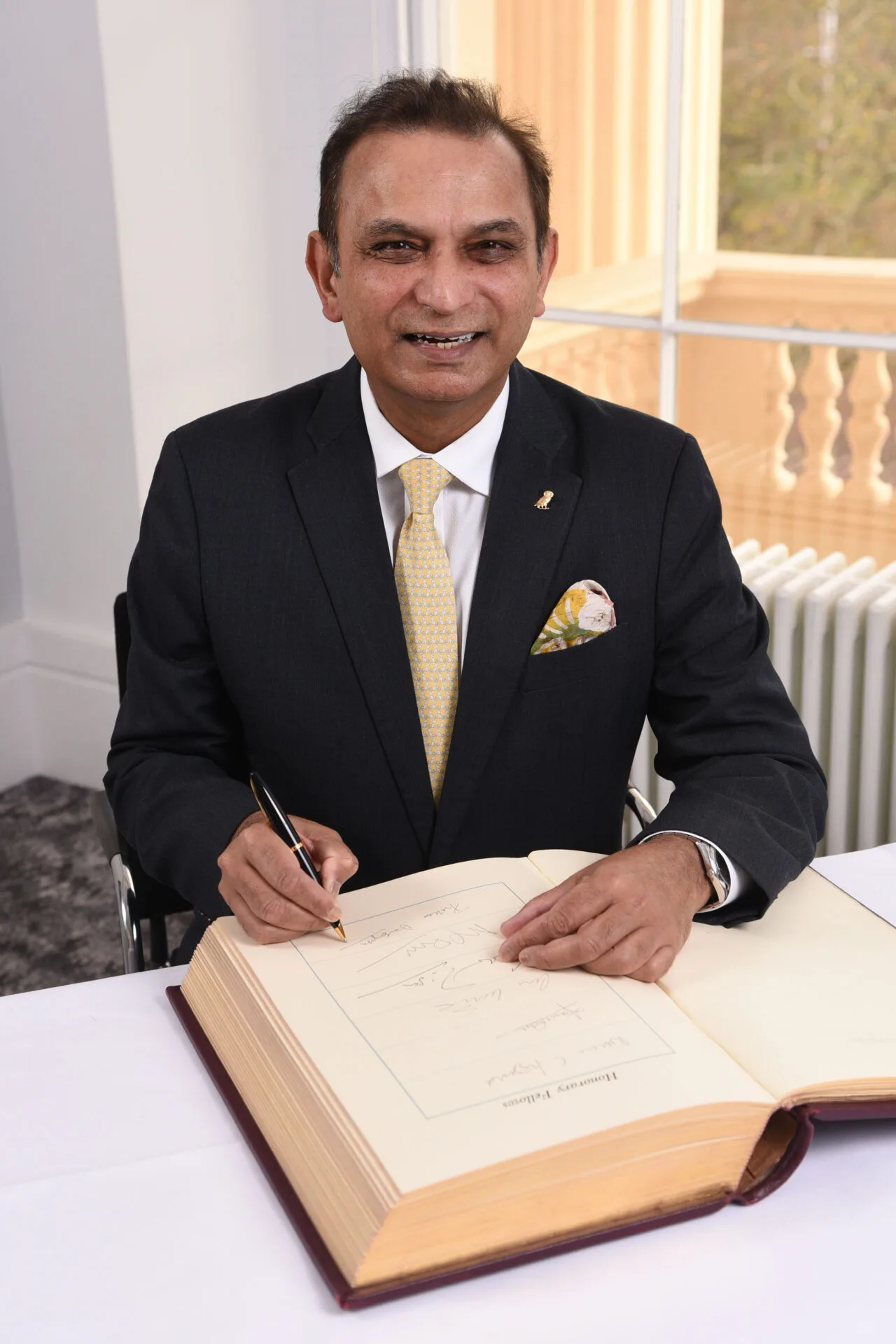
Professor Prokar Dasgupta has received numerous national and international awards for his contribution to surgery and medical science. He was awarded an OBE for services to surgery and innovation, recognising his leadership in robotic prostate cancer treatment and surgical education.

Beyond clinical practice, he is a respected researcher, author and global educator in robotic urology. He trains surgeons worldwide in advanced robotic prostatectomy techniques, ensuring the highest standards of safety and surgical excellence.

Patients choosing Professor Dasgupta benefit from:

  • Extensive experience in radical robotic prostatectomy
  • Advanced nerve-sparing techniques to help preserve continence and erectile function
  • Personalised, evidence-based treatment planning
  • Care delivered in leading London hospitals
  • A reputation built on innovation, research and patient-centred outcomes


If you are seeking a highly experienced radical robotic prostatectomy surgeon, Professor Prokar Dasgupta offers world-class expertise combined with compassionate, individualised care.

Read our blog on Choosing the Right Surgeon for Robotic Prostatectomy in the UK

Why Choose Robotic Prostatectomy? Benefits Explained


Choosing the right surgeon for a radical robotic prostatectomy is one of the most important decisions a man will make after a prostate cancer diagnosis. Robotic-assisted prostate surgery combines surgical expertise with advanced technology to improve precision, recovery and long-term outcomes.

1. Minimally invasive keyhole surgery

A radical robotic prostatectomy is performed using small keyhole incisions rather than one large open incision. Using the da Vinci Surgical System, the surgeon controls highly refined instruments with enhanced dexterity and stability.

This approach typically results in:

  • Smaller scars
  • Reduced tissue trauma
  • Less post-operative discomfort
  • Faster return to normal activity


2. Greater precision and 3D magnified vision

The robotic system provides high-definition, magnified 3D vision of the prostate and surrounding structures. This allows the surgeon to operate with exceptional accuracy, particularly when performing delicate nerve-sparing techniques.

Precision is especially important in preserving:

  • Urinary continence
  • Erectile function
  • Surrounding healthy tissue


When performed by an experienced radical robotic prostatectomy surgeon, this technology enhances surgical control beyond what is possible with the human hand alone.

3. Reduced blood loss and lower complication rates

Compared with traditional open prostate surgery, robotic prostatectomy is associated with:

  • Less intra-operative blood loss
  • Lower transfusion rates
  • Reduced risk of wound complications


The minimally invasive approach also contributes to a shorter hospital stay in most cases.

4. Faster recovery and quicker return home

Most patients are mobilising within hours of surgery. Many are discharged within 24–48 hours, depending on individual circumstances.

Patients commonly experience:

  • Shorter hospital stays
  • Faster physical recovery
  • Earlier return to light activities


While recovery varies between individuals, robotic surgery is designed to minimise disruption to daily life.

5. Excellent cancer control outcomes

The primary goal of a radical robotic prostatectomy is complete cancer removal. When performed by a highly experienced robotic prostate cancer surgeon, outcomes are measured by:

  • Clear surgical margins
  • Post-operative PSA monitoring
  • Long-term cancer control rates


Robotic technology supports meticulous dissection of the prostate, helping achieve optimal oncological results.

6. Nerve-sparing expertise matters

Technology alone does not determine outcomes — surgeon experience is critical. A specialist radical robotic prostatectomy surgeon combines advanced robotic tools with deep anatomical knowledge to carefully preserve neurovascular bundles wherever oncologically safe.

This balance between cancer control and functional preservation is central to high-quality robotic prostate cancer surgery.

Making the right choice

Robotic prostatectomy represents a significant advancement in prostate cancer treatment. However, the most important factor remains the skill and experience of the surgeon performing the procedure.

If you are considering radical robotic prostatectomy, seeking care from a dedicated robotic prostate cancer surgeon ensures you benefit from both cutting-edge technology and specialist expertise.

Read our blog on Robotic Prostatectomy vs Open Surgery: Which Is Right for You?

Book your consultation today

We treat all of our enquiries with compassionate and confidential care.

The Procedure — What to Expect


Choosing a radical robotic prostatectomy is a significant decision. Understanding what happens before, during and after surgery can help you feel confident and well prepared. As an experienced radical robotic prostatectomy surgeon, Professor Prokar Dasgupta ensures every stage of your treatment is carefully planned and personalised.

Before surgery: Assessment and planning

Your journey begins with a detailed consultation. During this appointment, your diagnosis, MRI scans, biopsy results and PSA levels will be reviewed to confirm that robotic prostate cancer surgery is the most appropriate treatment for you.

You will have the opportunity to discuss:

  • Your cancer stage and risk profile
  • Nerve-sparing suitability
  • Expected outcomes for cancer control
  • Potential effects on urinary continence and erectile function


Pre-operative tests may include blood tests, ECG and anaesthetic assessment. You will receive clear instructions about medications, fasting and hospital admission. Careful planning is essential to achieving optimal cancer and functional outcomes.

On the day of surgery

Radical robotic prostatectomy is performed under general anaesthetic.

Small keyhole incisions are made in the abdomen, through which robotic instruments and a high-definition 3D camera are inserted. The robotic system translates the surgeon’s hand movements into precise micro-movements inside the body.

During the operation:

  • The prostate gland is carefully removed
  • Surrounding nerves are preserved where safely possible
  • Lymph nodes may be removed if indicated
  • The bladder is reconnected to the urethra


The procedure typically takes between 2 and 4 hours, depending on complexity.

Immediately after surgery

After surgery, you will wake in the recovery area before returning to your private room.

Most patients:

  • Stay in hospital for 1–2 nights
  • Experience minimal pain compared to open surgery
  • Are encouraged to mobilise early


A temporary urinary catheter is placed during surgery and is usually removed after 7–10 days.

You will receive clear guidance on catheter care and recovery at home.

Recovery at home

Recovery following robotic prostatectomy is typically faster than traditional open surgery.

In the first few weeks:

  • Light activity is encouraged
  • Heavy lifting should be avoided
  • Pelvic floor exercises are started to improve continence


Most men return to normal daily activities within 2–4 weeks.

Urinary control gradually improves over weeks to months. Erectile function recovery varies and depends on age, baseline function and whether nerve-sparing surgery was possible.

Regular PSA blood tests are arranged after surgery to monitor cancer control.

Long-term outcomes and follow-up

The primary aim of radical robotic prostatectomy is complete cancer removal while preserving quality of life wherever possible.

Follow-up appointments allow ongoing assessment of:

  • PSA levels
  • Urinary continence
  • Sexual function
  • Overall recovery


You will have direct access to specialist support throughout your recovery.

Read our blog on Recovery After Robotic Prostate Surgery: Timeline and Tips

Read our blog on Nerve-Sparing Robotic Prostatectomy: Preserving Function and Quality of Life

Read our blog on Preparing for Your Robotic Prostatectomy: Checklist for Patients

Outcomes: Cancer Control & Functional Results


When choosing a radical robotic prostatectomy surgeon, patients want to know not only that their cancer will be effectively treated, but also how their quality of life will be preserved after surgery. Robotic prostatectomy offers excellent cancer control while aiming to maintain key functions such as urinary continence and sexual health.

Cancer Control:

Robotic surgery allows surgeons to remove the prostate with precision and minimal disruption to surrounding tissue, ensuring that cancerous cells are fully excised. Studies show that outcomes for robotic prostatectomy are comparable or superior to traditional open surgery, with a high rate of negative surgical margins and low risk of recurrence. Regular post‑operative PSA monitoring ensures early detection if any follow-up treatment is needed.

Functional Results:

One of the key advantages of robotic prostatectomy is its ability to preserve nerves responsible for urinary continence and sexual function. Most patients experience a faster recovery of bladder control and are able to return to daily activities sooner than with open surgery. While potency may take longer to recover, nerve-sparing techniques used by expert surgeons significantly improve long-term outcomes.

Patient Satisfaction:

Patients consistently report high satisfaction due to reduced pain, shorter hospital stays, and quicker return to normal life. Our team works closely with every patient to provide tailored support, including physiotherapy and sexual health guidance, to optimise recovery.

Choosing an experienced robotic prostatectomy surgeon is key to achieving the best combination of cancer control and functional results.

Book your consultation today

We treat all of our enquiries with compassionate and confidential care.

Frequently Asked Questions (FAQ)


What is a radical robotic prostatectomy?

A radical robotic prostatectomy is a minimally invasive surgery to remove the prostate gland using a robotic system. It is designed to treat prostate cancer with high precision while reducing blood loss, pain, and recovery time. The surgeon controls the robotic arms to carefully remove the prostate while preserving surrounding nerves and tissue.

Who is suitable for robotic prostatectomy?

Robotic prostatectomy is generally suitable for men diagnosed with localized prostate cancer who are medically fit for surgery. Your surgeon will assess your overall health, prostate size, and cancer stage to determine if this is the best treatment option for you.

What are the benefits of robotic prostate surgery compared to open surgery?

Key advantages of robotic prostatectomy include:

  • Smaller incisions and minimal scarring
  • Less blood loss during surgery
  • Shorter hospital stay and faster recovery
  • Improved precision for nerve-sparing techniques, which can help preserve urinary continence and sexual function
What are the risks or side effects?

Like all surgeries, robotic prostatectomy carries some risks. These may include temporary urinary incontinence, erectile dysfunction, infection, or bleeding. Most side effects improve over time, and your surgeon will discuss strategies to minimise complications and support recovery.

How long is recovery after robotic prostatectomy?

Most patients spend 1–3 days in hospital and can gradually resume normal activities over 4–6 weeks. Full recovery, including return of urinary control and sexual function, varies between individuals. Your surgeon will provide a personalised recovery plan and follow-up support.

Patient Testimonials & Evidence of Expertise


“I cannot recommend Professor Dasgupta highly enough. From the initial consultation to my recovery, I felt completely supported. The robotic prostatectomy was explained clearly, and the surgery went smoothly with minimal discomfort.”

John M., London

“After being diagnosed with prostate cancer, I was anxious about surgery. Professor Dasgupta’s expertise in robotic prostatectomy gave me confidence. The precision of the surgery allowed me to recover quickly, and I am now back to my normal life.”

Raj P., Surrey

“I chose Prokar because of their reputation for excellence in robotic prostate surgery. The team was professional and compassionate, and I felt informed every step of the way. My outcomes were better than I could have hoped for.”

Michael L., Kent

Read our blog on Advances in Robotic Prostate Cancer Surgery: What’s New in 2026

Read our blog on Patient Stories: Life After Robotic Prostate Surgery

Related Conditions and Services


Professor Prokar Dasgupta provides a full range of urological treatments and minimally invasive procedures to support your prostate health. Alongside radical robotic prostatectomy, our services include:

Benign Prostatic Hyperplasia (BPH) Treatment

BPH, or an enlarged prostate, can cause urinary problems. We offer the latest minimally invasive treatments to relieve symptoms while preserving quality of life.

Aquablation Therapy

A cutting-edge, waterjet-based treatment for BPH, Aquablation provides precise removal of excess prostate tissue with minimal side effects and faster recovery.

Prostate Artery Embolisation (PAE)

A non-surgical alternative for BPH, PAE reduces prostate size and improves urinary flow without the need for incisions.

iTind Device

The iTind temporary implant reshapes the urethra and prostate tissue, offering long-term relief from urinary symptoms in a minimally invasive way.

Other Urological procedures

Our clinic also offers a wide range of robotic and keyhole urological surgeries, including treatments for prostate cancer, kidney disorders, and urinary tract issues.

Book your consultation today

We treat all of our enquiries with compassionate and confidential care.

Social media accounts

Contact

The London Clinic

145 Harley Street, London

W1G 6BJ

Fax: 0203 219 3236


Site Made with ♥️ By Gossh Expert 2xN

We use cookies to allow us to better understand how the site is used. By continuing to use this site, you consent to this policy. Click to learn more